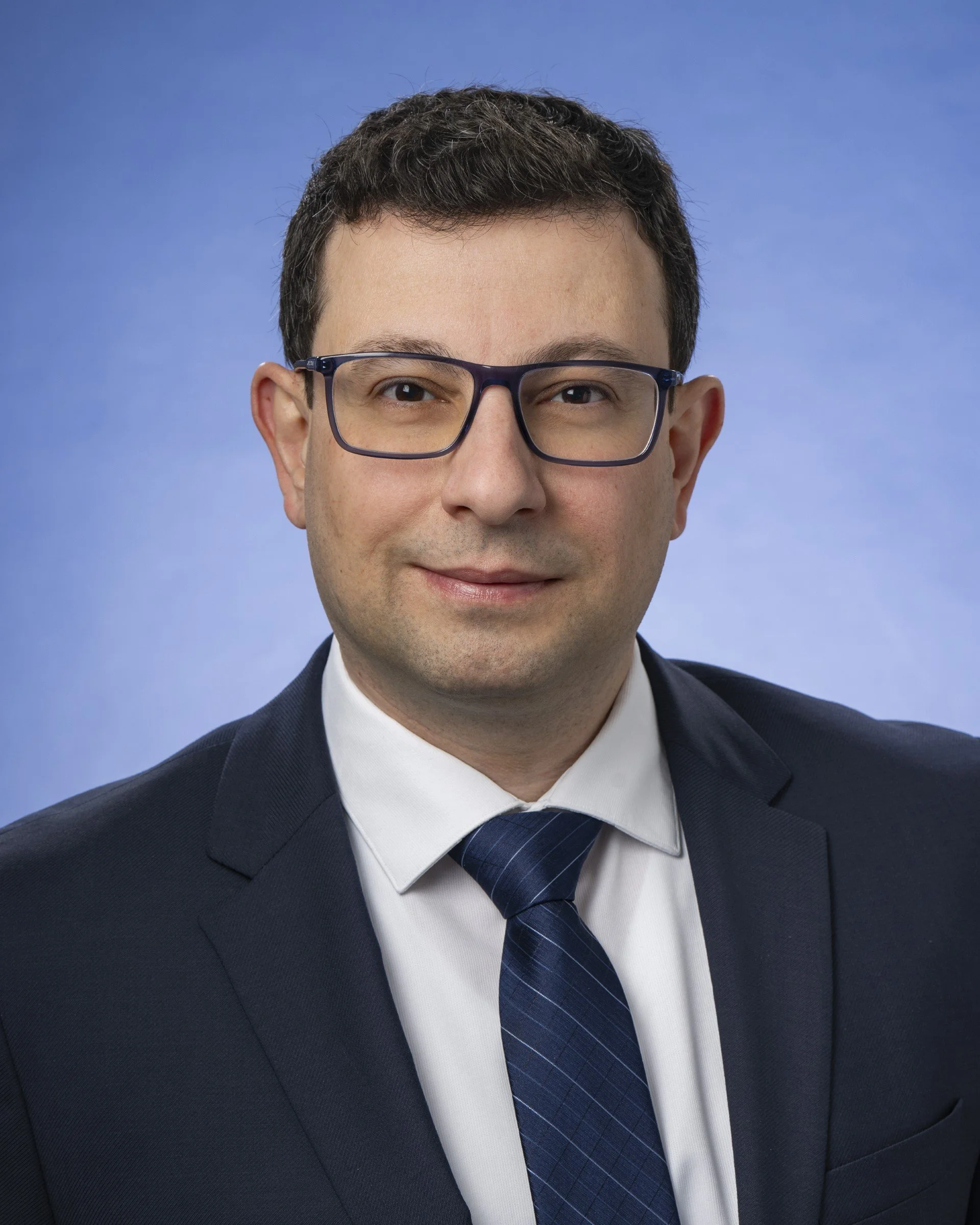
Dynamic Assessment of Cerebral Vascular Reserve: Clinical Implications
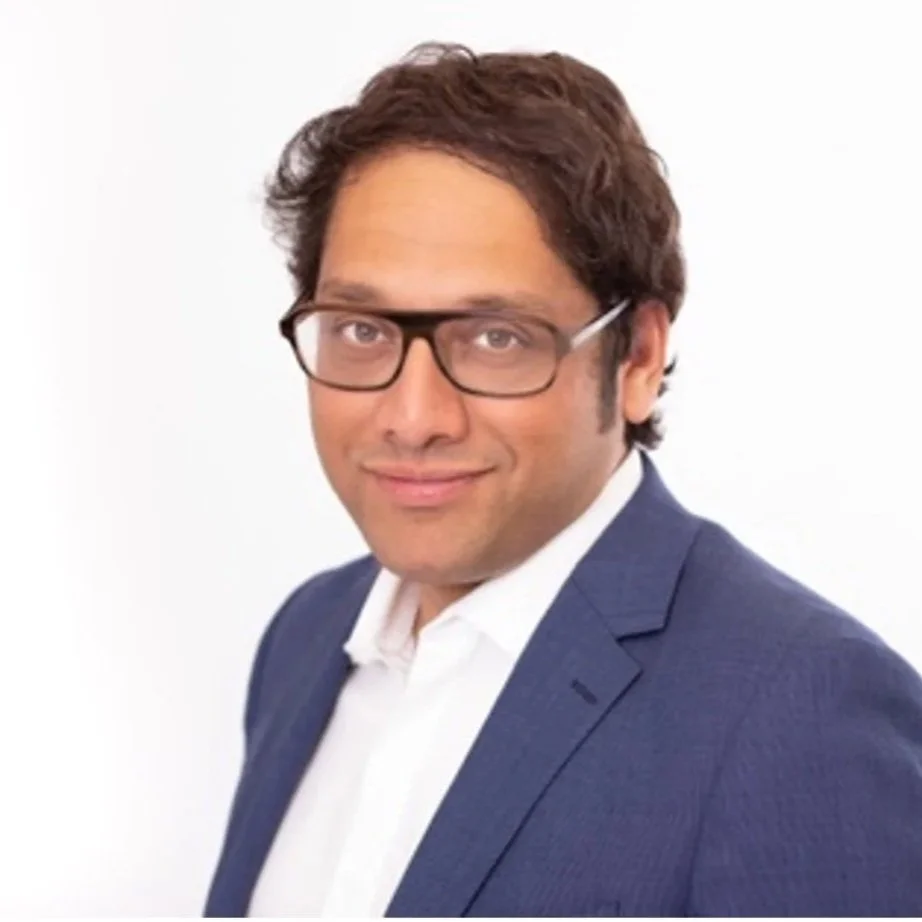
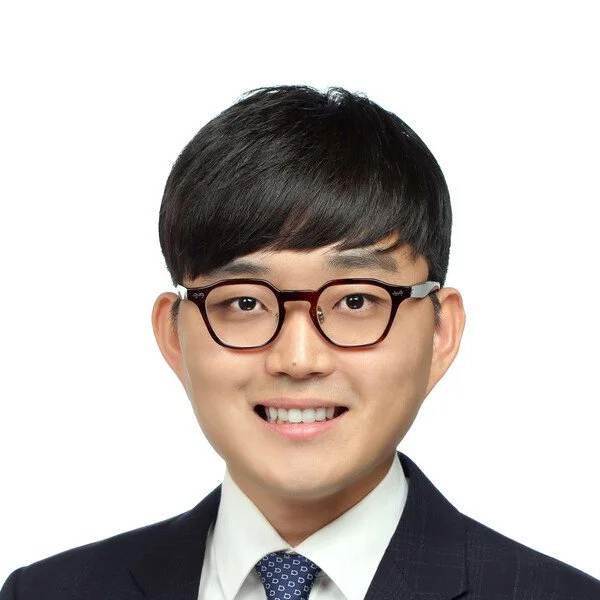
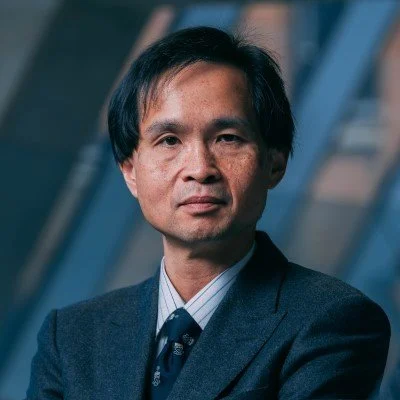
Dr. Jay Han is an anesthesiologist at University Health Network.
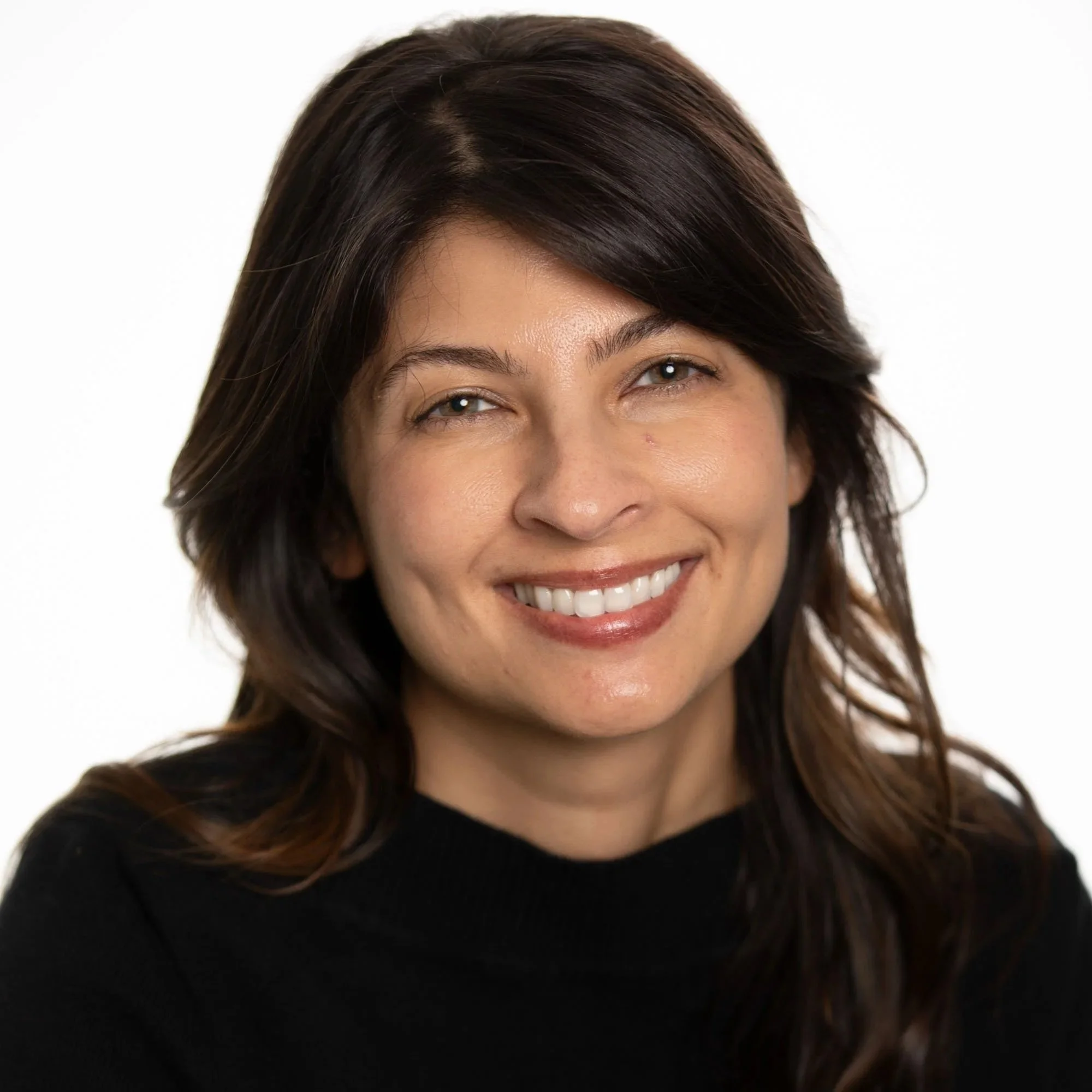
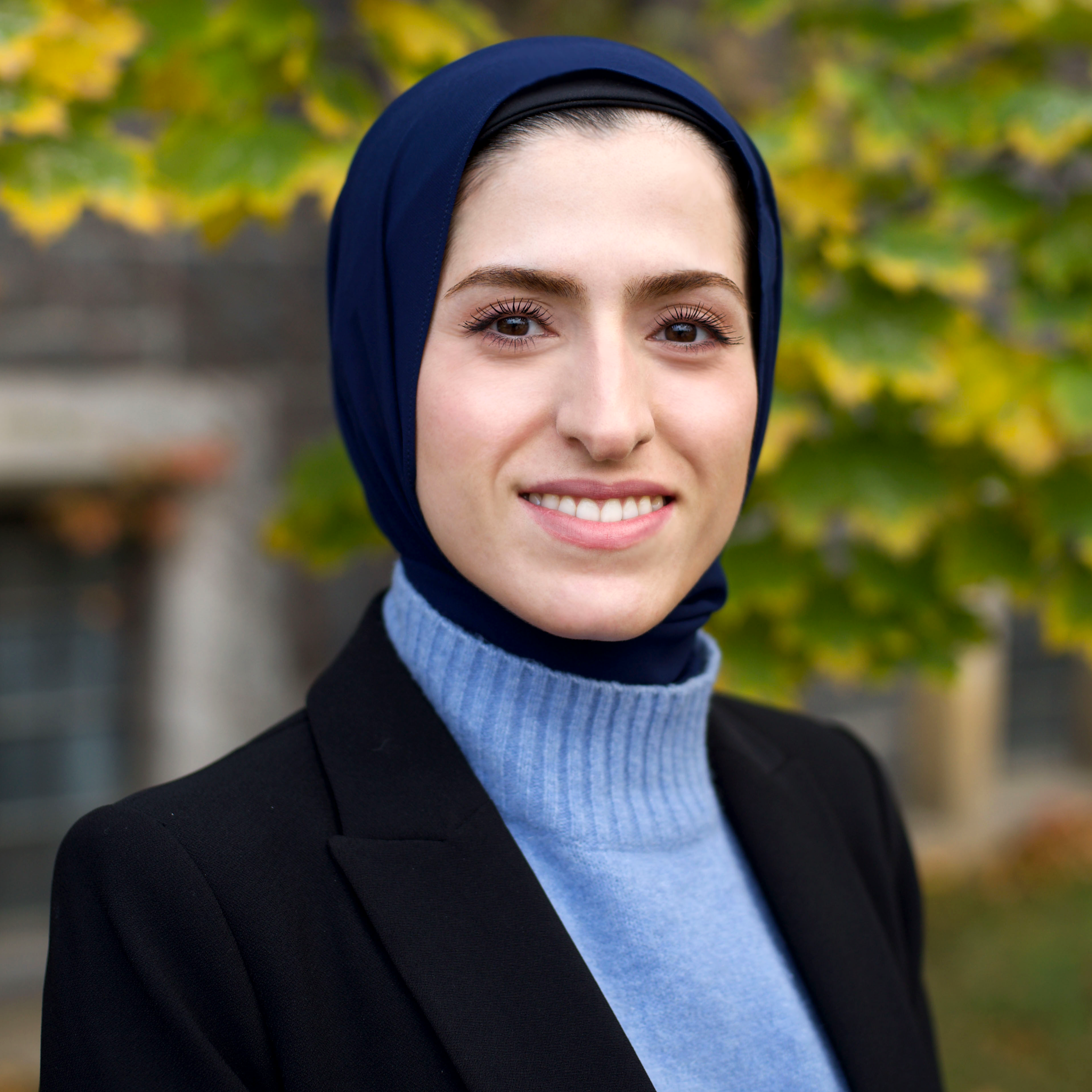
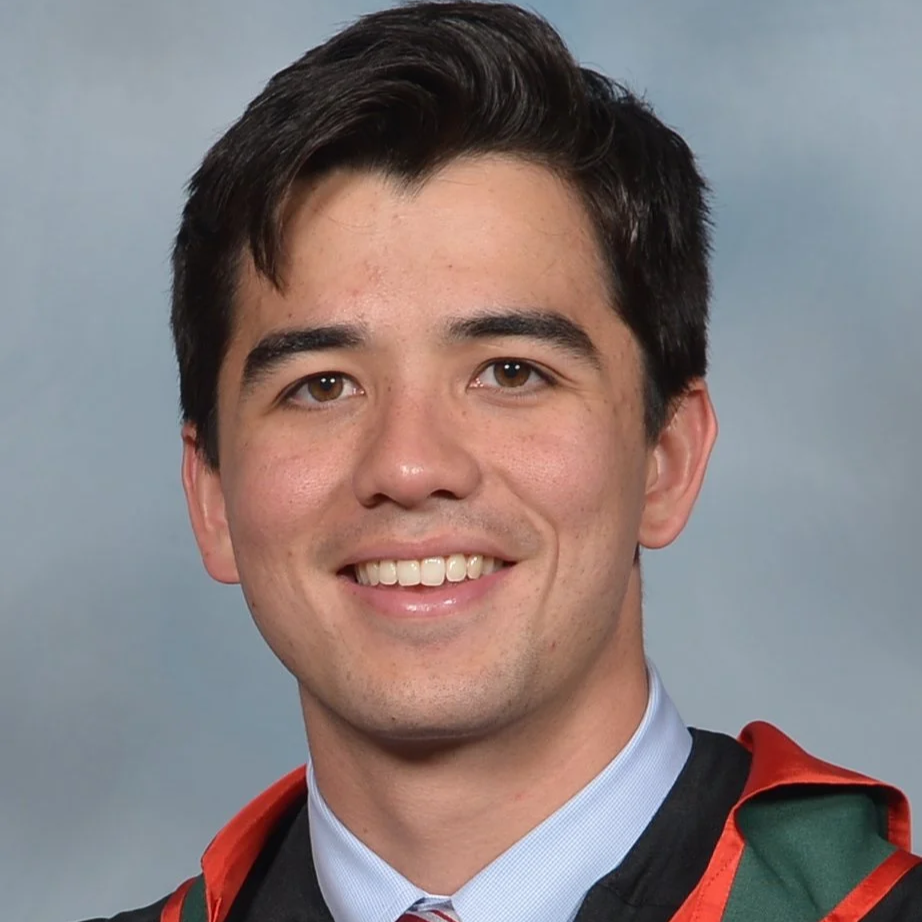
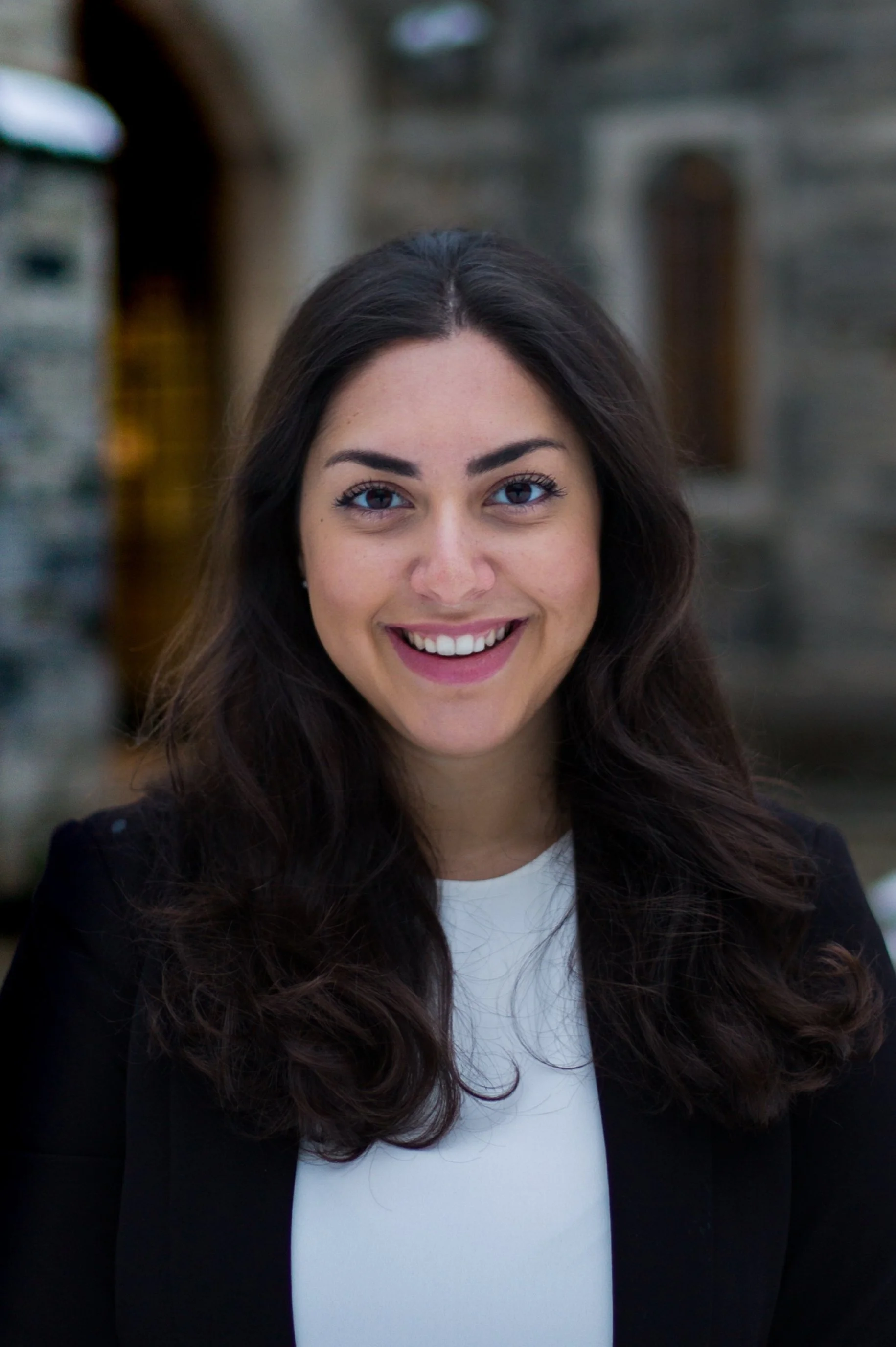
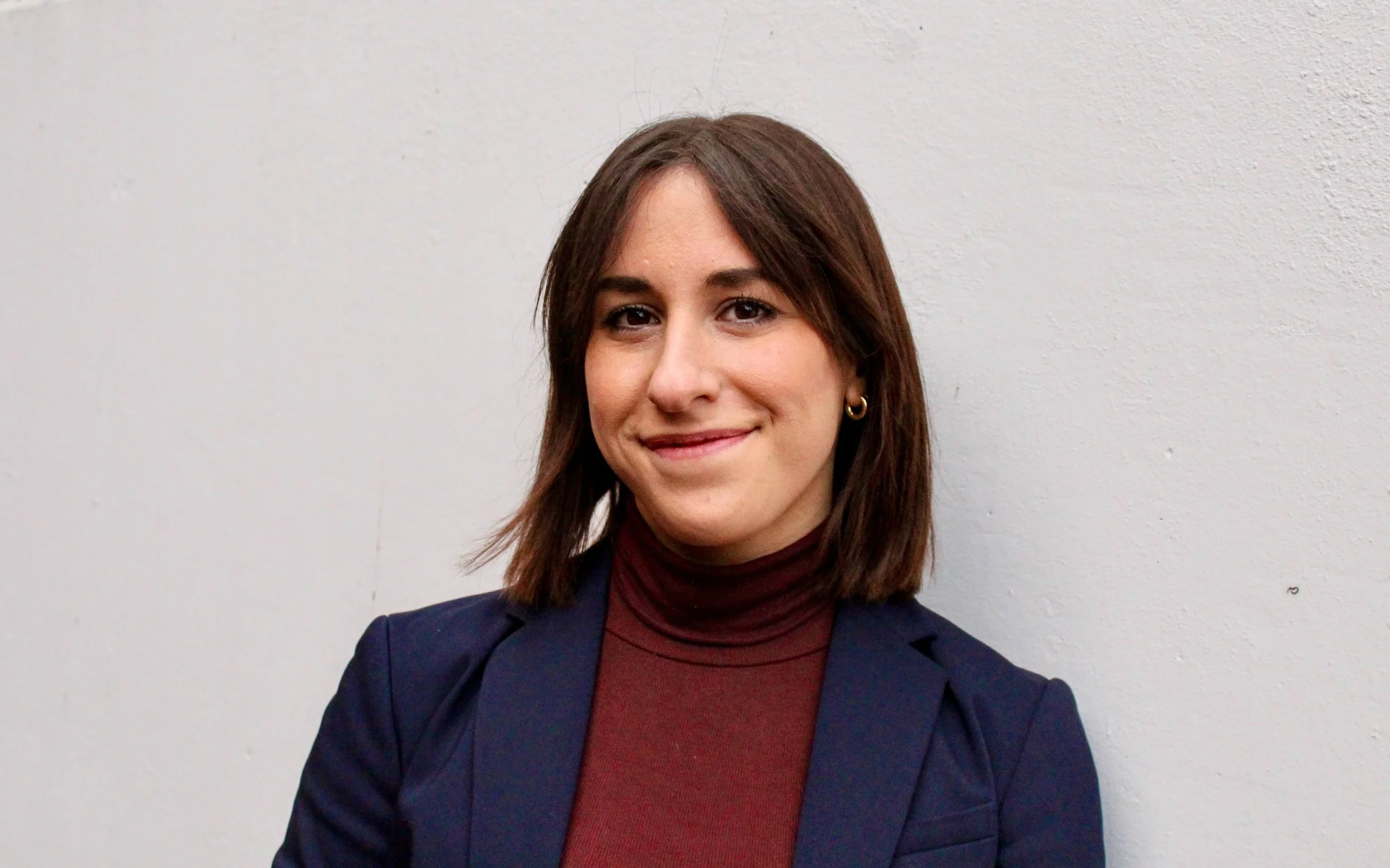
Dr. Katerina Jabbour is a PGY-5 neurology resident at the University of Toronto who graduated medical school from McMaster University, and also has a graduate diploma in clinical research from McGill University. Dr. Jabbour’s current interests are all things neuromuscular, and she will be doing a fellowship at Harvard University next year in Neuromuscular Medicine.
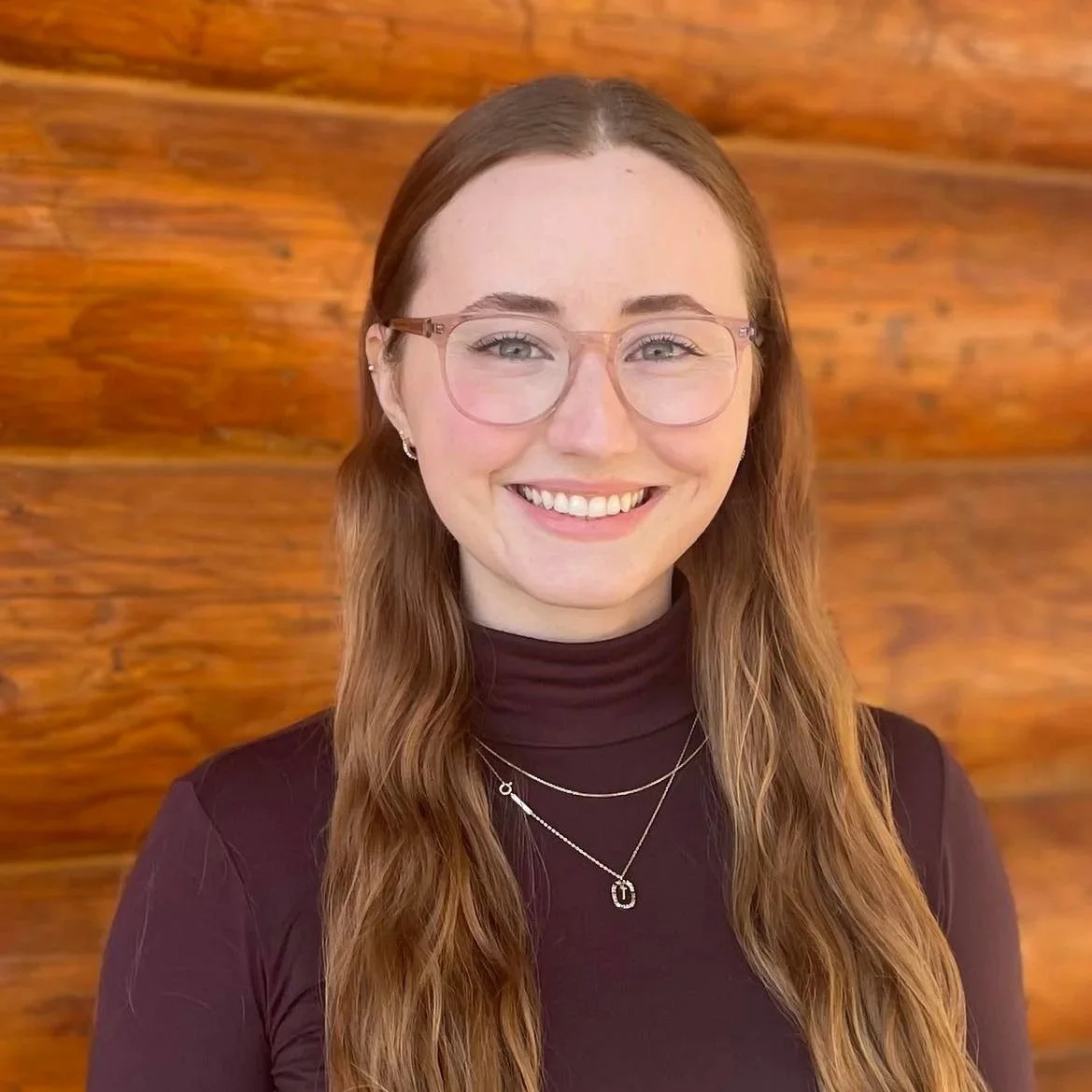
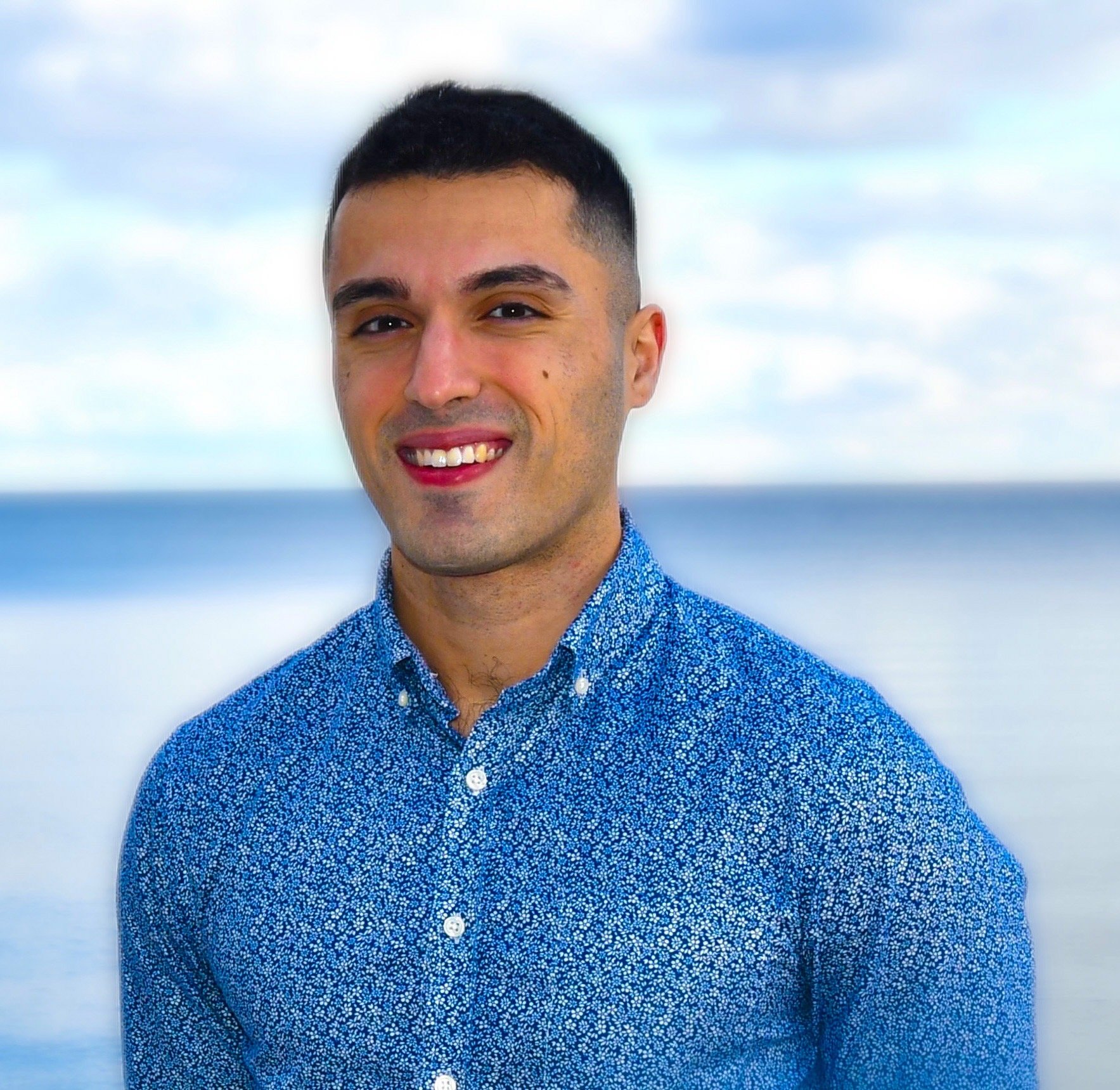
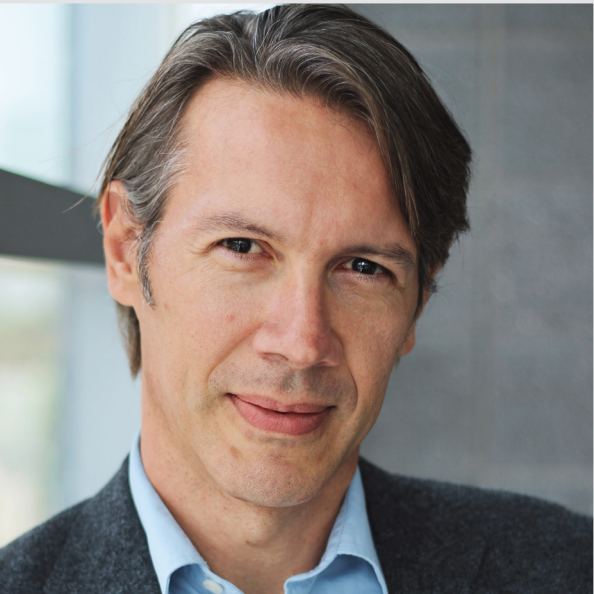
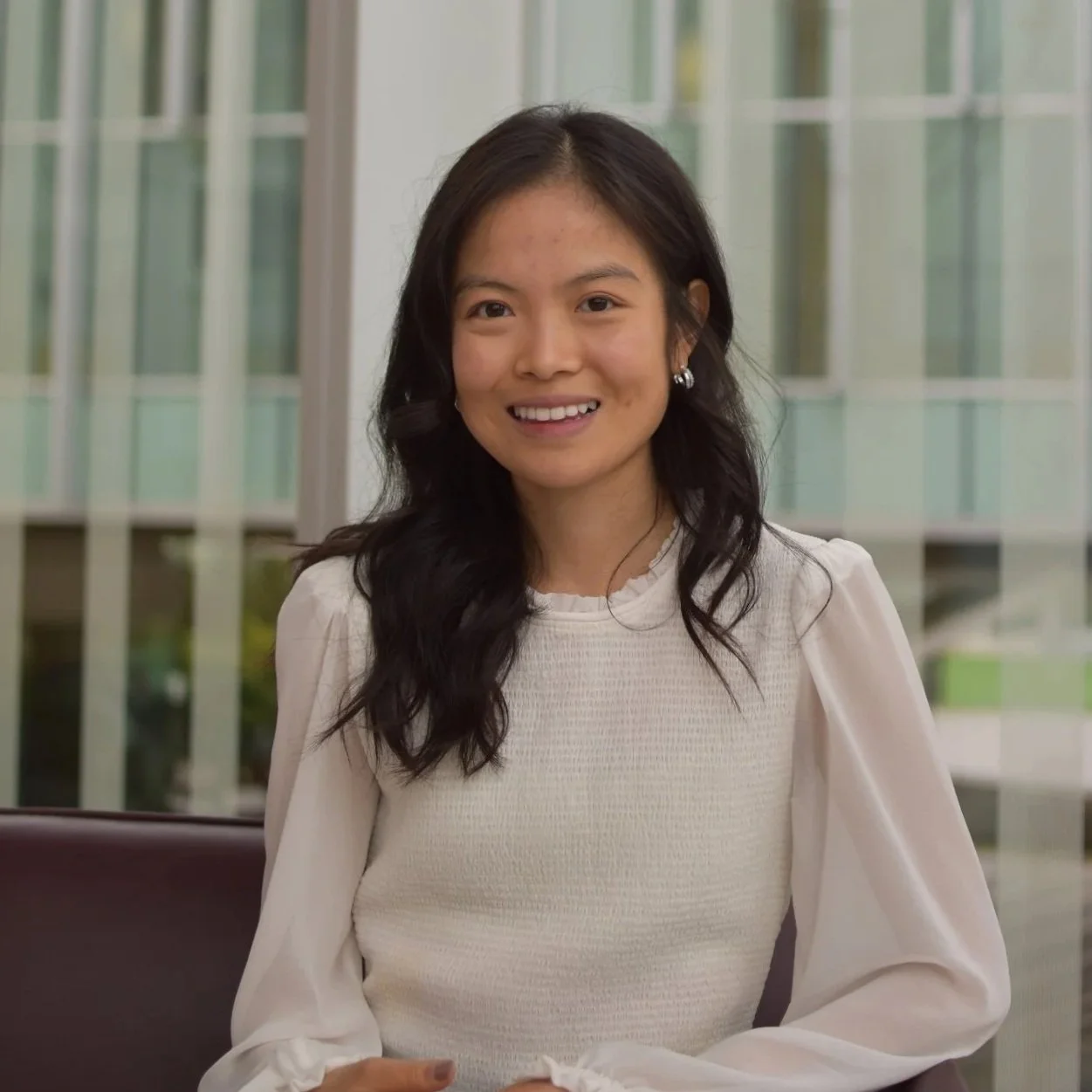
Dr. Arshia Kazerouni is a PGY2 neurosurgery resident at the University of Toronto. He studied Life Sciences at McMaster University and Medicine at Memorial University of Newfoundland. His academic and clinical interests lie in open and endoscopic skull base surgery.
Speaker: Dr. Zahi Touma
Moderator: Dr. Alexandre Boutet
Dr. Zahi Touma is a Rheumatologist and Clinical Epidemiologist at Toronto Western Hospital, whose research is focused on patients with systemic lupus erythematosus (SLE) and measurement science with a particular interest in the assessment of disease activity, patient reported outcomes, and cognitive function. Dr. Touma has developed SLE disease activity indices: the SLEDAI Responder Index-50 and the SLEDAI-2K Glucocorticoids Index.
Dr. Touma has established the NeuroLupus Program which is a team of experts in psychometrics, neuropsychology, neurology, psychiatry, measurement and bioinformatics, with the goal of developing improved methods of identifying cognitive impairments in SLE and understanding its course over time and impact on health-related quality of life and productivity. Dr. Touma leads the Outcome Measurements in Rheumatology (OMERACT) working group to update core set domains for SLE clinical trials. Dr. Touma is the recipient of an Early Researcher Award from the Government of Ontario.
Speaker: Dr. Olga Rojas
Moderator: Dr. Alexandre Boutet
Dr. Olga L. Rojas is a Scientist at the Krembil Research Institute, University Health Network, and an Assistant Professor in the Department of Immunology at the University of Toronto. Trained as a physician and immunologist in Colombia, she completed her PhD in immunology and later pursued postdoctoral research in neuroimmunology at the University of Toronto.
Her research focuses on the gut-brain axis, exploring how intestinal B cells and plasma cells influence neuroinflammation and neurodegeneration in diseases such as Multiple Sclerosis, Alzheimer’s, and Parkinson’s. Dr. Rojas has published extensively and pioneered novel tools to track immune cell migration in the brain.
Speaker: Dr. Nader Ghasemlou
Moderator: Dr. Mojgan Hodaie
Dr. Nader Ghasemlou is currently an Associate Professor in the Departments of Anesthesiology and Biomedical & Molecular Sciences at Queen’s University, where he leads the Pain Chronobiology & Neuroimmunology Lab, and is director of the Tissue Inflammation and Regeneration Research Excellence Cluster and Interdisciplinary Pain Neuroimmunology group. His research team, which will be joining the Krembil Brain Institute and University of Toronto this Spring, uses a translational approach to study the intersection of neuroimmunology, pain physiology, and circadian biology.
Research in Dr. Ghasemlou's lab uses various animal models of injury and disease, including postoperative wounds, neuropathic nerve injury, multiple sclerosis, and spinal cord injury to better understand the molecular, cellular, and behavioural responses underlying human disease. The group is particularly focused on dissecting the molecular and cellular mechanisms underlying the generation and maintenance of inflammation in the central and peripheral nervous system. All projects in the lab include bioinformatics to identify genes/pathways regulating cell function, and patient cohort studies via the CircaHealth Research Network (circahealth.ca) to provide a translational component to their work.
Speaker: Dr. Liam Cooper-Brown
Moderator: Dr. Elizabeth Slow
Dr. Liam Cooper-Brown is a PGY3 Neurology resident at the University of Toronto. Prior to this, Dr. Cooper-Brown obtained his medical degree from McGill University, where he investigated the clinical and neuroanatomic features of epilepsy-associated neuropsychiatric disorders. Dr. Cooper-Brown has been a co-investigator across several initiatives in health science education scholarship and in scientific research into cognition, gait, and healthy aging. He has been recognized as a leader in promoting engagement with neurosciences and scientific research among medical trainees. His clinical and research interests include neurophysiology, stroke, neurointensive care, behavioural neurology, and health equity.
Speaker: Dr. Jason Yuen
Moderator: Dr. Elizabeth Slow
Dr. Jason Yuen is currently a Clinical Fellow in Stereotactic and Functional Neurosurgery at Toronto Western Hospital. After medical school at the University of Oxford, Dr. Yuen completed his Neurosurgery residency in Bristol, United Kingdom, during which he spent two research years in Mayo Clinic, Rochester, USA while completing his PhD in Neurosciences. Dr. Yuen has won several academic awards, including the AANS/CNS Philip Gildenberg Resident Award. He is particularly interested in neuromodulation of neuropsychiatric diseases and medical education.
Speaker: Dr. Joanna Schaafsma
Moderator: Dr. Renato Munhoz
Dr. Joanna Schaafsma is a vascular neurologist and clinician-investigator at the University Health Network. After obtaining her medical degree in the Netherlands, Dr. Schaafsma pursued specialized training in vascular neurology in Paris and then subsequently returned to the Netherlands to complete a PhD program focusing on brain aneurysm imaging, and included health technology assessment. Dr. Schaafsma completed a stroke fellowship in Toronto and has actively contributed to the multidisciplinary team in both the neurovascular and revascularization clinics here, as well as leading and participating observational studies and key clinical trials. Dr. Schaafsma’s research primarily revolves around decision making and imaging in cerebrovascular diseases.
Speaker: Dr. Hugo Andrade Barazarte
Moderator: Dr. Mojgan Hodaie
Dr. Hugo Andrade Barazarte completed his Neurosurgery training in Venezuela before obtaining his PhD and cerebrovascular/skull base fellowship at the University of Helsinki, Finland. As a cerebrovascular clinical fellow at Toronto Western Hospital, Dr. Andrade expanded his knowledge in vascular and skull base pathologies. Dr. Andrade then became a staff neurosurgeon at the Mannheim University Hospital in Germany, before assuming the role of co-director of the Moyamoya disease research and treatment center at the Henan Provincial People’s Hospital, China.
Currently, Dr. Andrade is a staff neurosurgeon at Toronto Western Hospital and Assistant Professor of Surgery at the University of Toronto. His research focuses on surgical management of ruptured and unruptured aneurysms, AVMs, Moyamoya disease and revascularization procedures, and arteriovenous fistulae. Dr. Andrade has conducted more than 2,800 surgical operations including > 350 cerebral bypasses, 200 of which were for the rare Moyamoya disease.
Speaker: Dr. Yosef Ellenbogen
Moderator: Dr. Elizabeth Slow
Dr. Yosef Ellenbogen is a PGY5 neurosurgery resident and PhD candidate at the University of Toronto under the supervision of Dr. Gelareh Zadeh. His research focuses on the molecular heterogeneity of glioma and its influence on tumor behavior and treatment response.
Speaker: Dr. Anne Keller
Moderator: Dr. Elizabeth Slow
Dr. Anne Keller is a PGY3 Neurology resident. Prior to completing her undergraduate medical degree at McMaster University, Dr. Keller obtained her Master of Public Health (MPH) from the University of Toronto.
Speaker: Dr. Alex Manta
Moderator: Dr. Elizabeth Slow
Dr. Alex Manta is a neurology resident at the University of Toronto. He completed his undergraduate medical degree at the University of Ottawa, as well as a MSc in the Integrative Neuromuscular Biology Laboratory at McMaster University.
Speaker: Dr. Oliver Bichsel
Moderator: Dr. Elizabeth Slow
Dr. Oliver Bichsel is a Swiss board-certified neurosurgeon and current Fellow in Stereotactic and Functional Neurosurgery at Toronto Western Hospital. He earned both an MSc and a Doctor of Sciences degree from ETH Zurich and aims to blend his engineering skills with his medical expertise. His primary interests include brain-computer interfaces and advancing novel invasive and non-invasive treatments for neurological disorders.
Speaker: Dr. Mark Bayley
Moderator: Dr. Carmela Tartaglia
Dr. Mark Bayley is Program Medical Director & Physiatrist-in-Chief at UHN-Toronto Rehabilitation Institute. He is a Professor at the University of Toronto in the Division of Physical Medicine and Rehabilitation, Faculty of Medicine. Dr. Bayley leads large-scale national and international research and health systems change projects aimed at improving outcomes of injury and illnesses of the brain. Mark’s research focuses on understanding how to speed brain recoveries through exercise, virtual reality, telerehabilitation, and functional electrical stimulation. Importantly, he has bridged the know-do gap by making the best evidence available to clinicians through smartphone apps and Best Practices guidelines in stroke, concussion, multiple sclerosis and brain injury. His work has redesigned the stroke and brain injury rehabilitation systems in Canada.
Speaker: Dr. Tamara Pringsheim
Moderator: Dr. Renato Munhoz
Objectives:
To review the creation and objectives of the Calgary Tic Disorders Registry
To highlight successes and failures along the way
To discuss strategies to obtain research funding for a long-term project
To (hopefully) provide helpful information to anyone who wants to start a clinical registry
Dr. Tamara Pringsheim is a neurologist and professor at the University of Calgary, and medical lead of the Tourette and Pediatric Movement Disorders Program. She is an evidence-based medicine methodologist for the American Academy of Neurology and chair of the International Parkinson’s Disease and Movement Disorders Society Tic Disorders and Tourette Syndrome study group. From 2022 to 2024, she has been named to the Clarivate Highly Cited Researchers list, which recognizes researchers who have authored multiple Highly Cited Papers which rank in the top 1% by citations for their field and publication year in the Web of Science over the past decade.
Speaker: Dr. Carmela Tartaglia
Dr. Carmela Tartaglia, M.D., FRCPC, is a clinician-scientist at the University Health Network and University of Toronto. She maintains a cognitive/behavioral clinic within the UHN Memory Clinic where she sees patients with neurodegenerative diseases including those at risk of developing a chronic traumatic encephalopathy after repetitive head injury. She is a PI at the Canadian Concussion Centre and holds the Marion and Gerald Soloway Chair in Brain Injury and Concussion Research. She uses a multi-modal approach that combines imaging and biofluid biomarkers to better diagnose and understand the pathological substrates that cause cognitive, behavioral, and motoric dysfunction. The goal of her research program is to develop biomarkers for early detection of disease and bring precision medicine and targeted, early treatments to her patients.
Speaker: Dr. Michelle Gyenes
Moderator: Dr. Elizabeth Slow
Dr. Michelle Gyenes is a PGY-3 Adult Neurology resident at the University of Toronto. She completed her undergraduate degree at the University of British Columbia, an MSc in Public Health from Columbia University, and her medical training at the Royal College of Surgeons in Ireland.
Speaker: Dr. Mary Zhu
Moderator: Dr. Elizabeth Slow
Dr. Mary Zhu is a neurosurgery resident at the University of Toronto. Prior to residency, she completed medical school at Queen's University.
Speaker: Dr. Michel Sourour
Dr. Michel Sourour obtained his medical degree from the University of Toronto, where he laid the foundation for his career. Following medical school, Dr. Sourour completed his residency in neurosurgery at McMaster University, where he also pursued a Master's degree in Clinical Epidemiology, further honing his research skills and expertise in evidence-based medicine.
Dr. Sourour then pursued specialized training through a fellowship at Toronto Western Hospital, focusing on skull base and neuro-oncology. During this time, he focused on complex surgical techniques and endoscopic surgical techniques as well as advances in neuromonitoring. In addition, he developed expertise in Gamma knife radiosurgery to allow a multifaceted approach for treatment of cranial malignancies. In addition, he was involved in the development and establishment of the Rapid Access In Neurosurgery (RAIN) clinic that focuses on providing rapid neurosurgical care and assessments for neurosurgical patients.
Outside of medicine, Dr. Sourour enjoys spending time with his wife Mary, daughter Amelia, and their beloved dog Toby. He finds relaxation and inspiration through traveling to new destinations and exploring the wonders of the underwater world through scuba diving.
Speaker: Dr. Shivaprakash Hiremath
Dr. Shivaprakash Hiremath holds the position of Assistant Professor at the University of Toronto and is a staff Neuroradiologist at Toronto Western Hospital. He completed his radiology residency in India at the Madras Medical College and Pushpagiri Institute of Medical Sciences, followed by a clinical fellowship in neuroradiology at the University of Ottawa and a fellowship in pediatric neuroradiology at SickKids, University of Toronto. Dr. Hiremath is actively involved in medical education and research with a keen interest in Neuroinflammatory disorders, Epilepsy and Temporal bone Imaging.
Speaker: Dr. Farshad Nassiri
Dr. Farshad Nassiri received his medical degree and completed his residency in neurosurgery at the UofT. He completed the Surgeon-Scientist Training Program at the UofT, where he obtained his PhD in brain tumour biology, under the mentorship of Dr. Gelareh Zadeh. Additionally, Dr. Nassiri was a Visiting Instructor at the University of Utah, where he completed a CAST-certified fellowship in complex endoscopic and open skull base and cerebrovascular surgery with Dr. William Couldwell. Dr. Nassiri was recently appointed as Staff Neurosurgeon within the Division of Neurosurgery, Sprott Department of Surgery, at University Health Network and the Krembil Brain Institute. He was also appointed as a Scientist with the Princess Margaret Cancer Centre, as well as an Assistant Professor in the Department of Surgery, Temerty Faculty of Medicine, University of Toronto.
Dr. Nassiri specializes in caring for patients with benign and malignant skull base tumours, such as meningiomas, pituitary tumours, acoustic neuromas, in addition to treating brain tumours such as gliomas and metastases. Building on the foundation established by his mentors, Drs. Fred Gentili and Gelareh Zadeh, Dr. Nassiri’s vision is to expand the repertoire of effective treatment options for patients with brain and skull base tumours, providing personalized treatment strategies.
Dr. Nassiri has authored over 110 peer-reviewed publications in prestigious journals such as Nature, Nature Medicine, JAMA and The Lancet. His contributions have been recognized with several notable awards, including the Vanier Award (2017-2019) and the Postdoctoral Fellowship Award (2023-2024) from the Canadian Institutes of Health Research (CIHR), as well as the Research Rising Star Award (2022) and the Research Impact Award (2020), from The Brain Tumour Charity UK.
In addition to his clinical and research roles, Dr. Nassiri currently serves as the Communications Editor for the Neuro-Oncology Advances journal and as the Neurosurgical Board Representative for the Society for Neuro-Oncology. His notable past leadership positions include Scientific Chair and Track Lead for the Society for Neuro-Oncology.
Speaker: Dr. Christos Ganos
Dr. Christos Ganos is an active Staff Neurologist within the Krembil Brain Institute at Toronto Western Hospital, UHN, and an Associate Professor in the Division of Neurology at UofT. Recently appointed in March 2024, he is the Wolf Family Chair in Neurodevelopmental Psychiatry at UHN and UofT. Born in Thessaloniki, Greece, he completed his medical training at the University Medical Center in Hamburg-Eppendorf in Germany, undertook a three-year fellowship at the National Hospital for Neurology and Neurosurgery, and from 2017 to 2023 was a consultant at the Movement Disorder Unit of the Charité Hospital, Berlin.
Dr. Ganos has expertise in hyperkinetic, neuropsychiatric and unusual or rare movement disorders, including tic disorders, Huntington’s disease and the Ataxia programs. His research has focused on the characterization of clinical phenomena and the elucidation of their pathophysiological origin. Within the field of tic disorders, Dr. Ganos is a world leader in the pathophysiology of tics and premonitory urges with the particular scope of developing novel treatment methods. He served as the founding chair of the International Parkinson’s Disease and Movement Disorder Society’s Tic Disorders and Tourette Syndrome study group. He is also the chair of the Movement Disorder Society’s Tic Disorders and Tourette Syndrome task force and a past secretary of the European Society for the Study of Tourette Syndrome.
Speaker: Dr. Talyta Grippe
Dr. Talyta Grippe is a clinical fellow in neurophysiology and movement disorders at the University of Toronto. She completed her medical degree, neurology and clinical electrophysiology (EMG) residency in Brazil, followed by a PhD at Universidade Federal de Minas Gerais in collaboration with the University of Toronto. Talyta is passionate about using electrophysiological studies to improve the diagnosis and treatment of movement disorders. Her primary research interests focus on the use of non-invasive neuromodulation techniques as tools for studying neurological physiology and exploring potential therapeutic applications.
Speaker: Dr. Patrick Steadman
Dr. Patrick Steadman is a PGY-3 resident in neurosurgery and graduate of the MD/PhD program at U of T doing his PhD with neuroscientist Paul Frankland at SickKids. His undergraduate degree is in Physics, and master’s in Medical Biophysics under neuroimaging and computational neuroscientist Jason Lerch (now at Oxford). His interests in neurosurgery are good patient care, and the skull base, neuro-oncology, and epilepsy subspecialties.
Silversides Lecture Speaker: Dr. Mitchell S. V. Elkind
Moderator: Dr. Susan Fox
Learning Objectives:
Discuss the relationship of inflammation to stroke risk and treatment
Recognize the role of infection as a stroke trigger and potential therapeutic implications
Provide perspective on the way in which inflammation and infection contribute to long-term risk of cognitive decline and dementia, including potential research implications
Dr. Mitchell S. V. Elkind, MD, MS, FAAN, FAHA, is a tenured Professor of Neurology and Epidemiology at Columbia University. He was the founding Chief of the Division of Neurology Clinical Outcomes Research and Population Sciences (Neuro CORPS) in the Neurology Department at Columbia. Dr. Elkind served as President of the American Heart Association (AHA) 2020-2021, only the second neurologist to do so in its 100 year history.
After completing his term as President, he joined the AHA in a new executive position, Chief Clinical Science Officer, with the vision of expanding the work of the organization from its traditional focus on cardiovascular disease and stroke to brain health more broadly defined. In this vision, Elkind develops and leads initiatives on basic and clinical brain science (including stroke, aging and dementia, migraine, traumatic brain injury, and mental health), nutrition and Food Is Medicine approaches to health, cardiometabolic and kidney health, digital health, and others. He believes “…that maximizing health and human potential requires bridging the traditional divides among disciplines, and no organization does that better than the AHA.”
Dr. Elkind received his medical degree from Harvard Medical School, and he trained in Internal Medicine at Brigham and Women’s Hospital and in Neurology at Massachusetts General Hospital, both in Boston, MA. He completed a fellowship in Vascular Neurology and Neuroepidemiology at Columbia University Medical Center. Dr. Elkind holds a Master’s degree in Epidemiology from Columbia’s Mailman School of Public Health. His research focuses on stroke prevention, inflammatory and infectious biomarkers in stroke risk prediction, atrial cardiopathy, immune therapy for acute stroke, and vascular causes of cognitive aging. Dr. Elkind is the Principal Investigator of several independent investigator awards from NIH/NINDS, including the ARCADIA trial of apixaban vs aspirin for atrial cardiopathy in cryptogenic stroke. Dr. Elkind also has a longstanding commitment to medical education and research training.
Speaker: Dr. Michael S. Okun
Moderator: Dr. Renato Munhoz
Learning Objectives:
Update the indications for DBS
Update the techniques for DBS
Update the emerging Neuromodulation Approaches for Parkinson’s
Dr. Michael S. Okun obtained his M.D. with honors from the University of Florida where he was also trained as a neurologist. He completed a basal ganglia and movement disorders fellowship at Emory University where he was trained under a Lasker award winner, Dr. Mahlon Delong. Dr. Okun has held virtually every position and leadership role in his department and college from assistant to full professor. He has been a program director, a chief, a center director, a chair, and now serves as the Distinguished Professor and Executive Director of the Norman Fixel Institute for Neurological Diseases at the University of Florida Health. This institute was formed in partnership with neurosurgeon, Dr. Kelly Foote. Dr. Okun has served since 2006 as the National Medical Director and most recently as the Medical Advisor for the Parkinson’s Foundation. He has been continuously supported by grants from many organizations and foundations including the National Institutes of Health. Dr. Okun has an active research career and has been an integral part of many pioneering studies exploring the cognitive, behavioral, and mood effects of brain stimulation. Since 2005, his laboratory has been working to uncover the electrical brain signals associated with human tic and to develop a first generation of closed loop adaptive deep brain stimulation approach for Tourette syndrome. He and his group have contributed data to support the FDA approval of several device-related approaches now in use to treat human disease. Dr. Okun holds the Adelaide Lackner Professorship in Neurology and has published over 600 peer reviewed articles including contributions appearing in the New England Journal of Medicine, Lancet, and JAMA. He is a poet (Lessons From the Bedside, 1995) and his book, Parkinson's Treatment: 10 Secrets to a Happier Life was translated into over 20 languages. His most recent co-authored books include Ending Parkinson’s Disease and Living with Parkinson's Disease. Dr. Okun was recognized in a 2015 White House ceremony by the Obama administration as a Champion of Change for Parkinson’s Disease. He was most recently promoted to the rank of Distinguished Professor, only the 5th person in the history of the UF College of Medicine to achieve this rank.
Speaker: Dr. Barbara A. Dworetzky
Moderator: Dr. Sarah Lidstone
Dr. Barbara Ann Dworetzky, M.D., is Professor of Neurology at Harvard Medical School, Chief of Epilepsy at Brigham and Women’s Hospital in Boston where she directs the Edward B. Bromfield Comprehensive Epilepsy Program and Clinical Fellowships as well as the EEG laboratory. Dr. Dworetzky received a Bachelors of Sciences degree from Brown University, her M.D. from Albert Einstein College of Medicine, and completed her neurology residency and epilepsy fellowship at the Harvard-Longwood Neurology program, now part of MassGeneralBrigham. Dr. Dworetzky currently serves on the Professional Advisory Board for the Epilepsy Foundation of New England. She is internationally known for work in functional seizures (aka PNES) and is a founding member and on the executive board of directors for the Functional Neurological Disorders Society (FNDS). She becomes president of this society beginning next month. She has been listed as a top doctor in Boston magazine since 2009.
Speaker: Dr. Ingrid Hoeritzauer
Moderator: Dr. Sarah Lidstone
Dr. Ingrid Hoeritzauer completed her undergraduate degree at Queen's university in Belfast with a semester in Humboldt University in Berlin and an intercalated degree in psychology at UCL. She undertook her neurology training in Belfast and Edinburgh including a Ph.D. looking at the Clinical Features and Prognosis of Scan-negative Uro-Neurological Disorders. She currently works in Edinburgh as a consultant neurologist with an interest in functional neurological disorders and has an NRS Fellowship. Dr. Hoeritzauer is a principal of the Functional Neurological Disorders Research Group along with Professors Jon Stone and Alan Carson and Dr. Laura McWhirter.
Speaker: Dr. Laura McWhirter
Moderator: Dr. Sarah Lidstone
Dr. Laura McWhirter, PhD, MRCP, MRCPsych, is a consultant neuropsychiatrist at Edinburgh Royal Infirmary and Honorary Senior Clinical Lecturer at the University of Edinburgh. Dr. McWhirter trained with Professor Alan Carson in Edinburgh, undertaking a period of doctoral research into functional cognitive disorders. Ongoing research interests include FND, long COVID, TBI, and gender equality as relevant to functional neurological disorders.